
Turning workplace knowledge into measurable capability.
The Industry Problem
Learning breaks down when content, people and priorities are disconnected.
The strategic shift
From course administration to capability building.
The platform creates one continuous system: assess what people need, recommend what matters, align learning with available time, and make progress visible to everyone responsible for growth.
The platform response
One learning ecosystem. Configured around how the organisation works.
Deploy the model you need
Run training, continuous learning or both without forcing the organisation into a fixed operating model.
Activate existing knowledge
Convert internal presentations, documents and resources into structured, digital-ready learning.
Build courses and pathways
Deliver standalone courses or connect them into role-based journeys that build capability over time.
Recommend with purpose
Use quizzes and assessments to identify needs and guide each employee toward relevant learning.
Protect productive time
Bring managers and L&D together before assignment, so learning fits priorities and workload.
See progress across teams
Give learners clarity while managers track completion, participation and capability by team.
Designed for real workdays
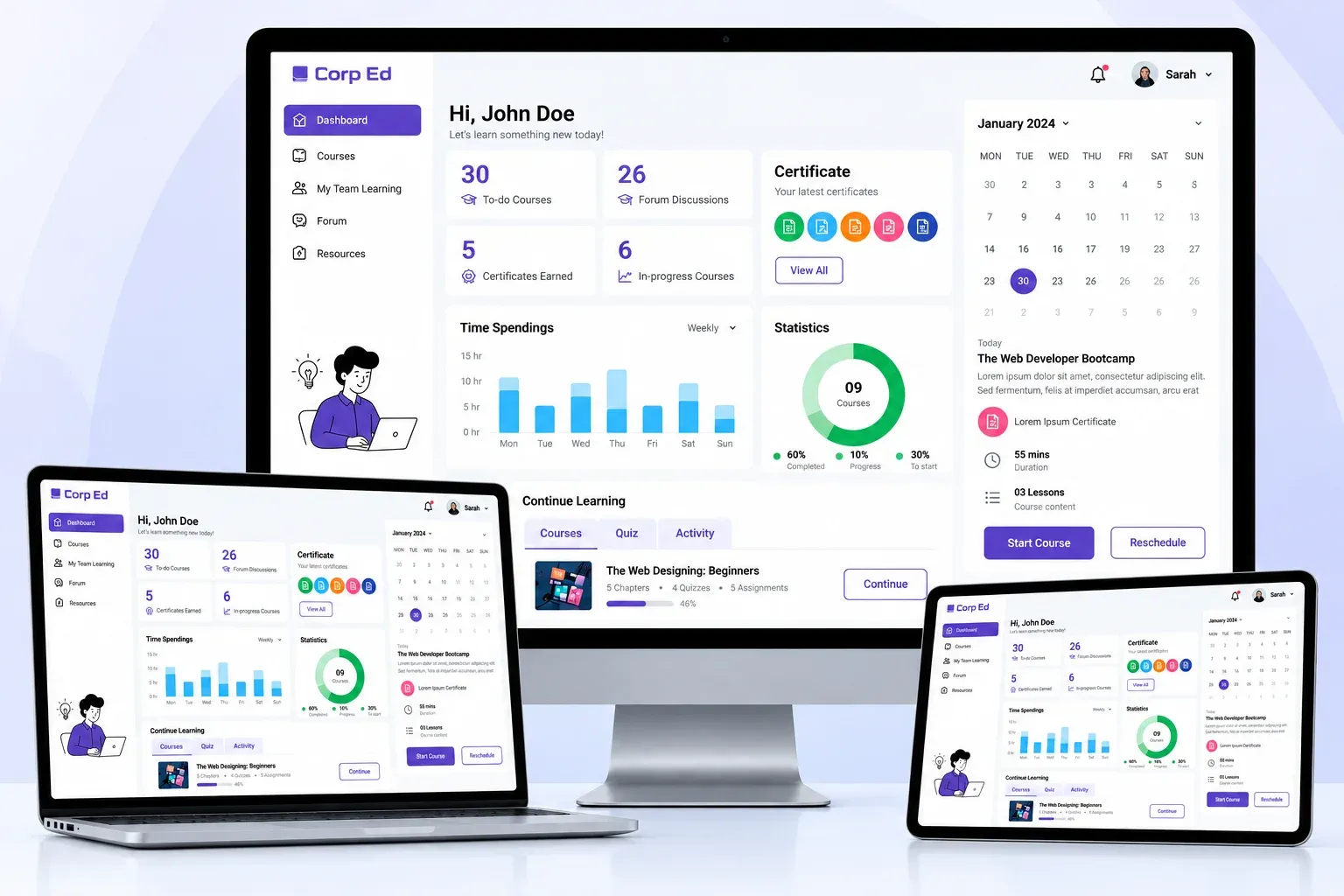
A single view of learning, time and progress.
Learners get a clear, centralized view of their courses, schedules, progress, certificates, and learning activities. The dashboard makes it easy to identify priorities, resume unfinished courses, and stay on track without switching between multiple screens.
Managers and L&D teams can track learning, monitor progress, and support employee development across teams with greater clarity and efficiency.
Product workflow
One workflow. Three roles. No blind hand-offs.
Learning can begin with an organisational priority or an employee’s own assessment. Both routes bring the Manager and L&D Admin together before content reaches the employee.

An assessment suggests what to learn next
The employee reviews recommended content and requests it. The Manager and L&D then validate relevance and timing.

A manager identifies a team need
The Manager works with L&D to select or configure suitable training, then agrees when it should be assigned.

Assess or identify a need
An assessment reveals a capability gap, or the employee identifies a development need for targeted skill improvement.

Request or recommend
The employee requests suggested content, or the manager identifies learning that supports the role and team priorities.

Align before assigning
Manager and L&D confirm relevance, timing, workload, business priorities, and team capacity before a course or pathway is deployed.

Assign the right experience
L&D assigns approved training, a course or a structured pathway with the right context and completion expectations.

Learn within the workday
The employee completes content at an agreed time, with progress and next actions clear throughout the journey.

Track and improve
Progress, assessment results and team insight inform the next recommendation or development conversation.

L&D Admin
Curates content, coordinates approval, assigns learning and monitors outcomes.


Manager
Connects development needs with team priorities, capacity and timing.


Employee
Completes assessments, requests relevant learning and acts on feedback.

Product Breadth
A coherent experience across every learning task.
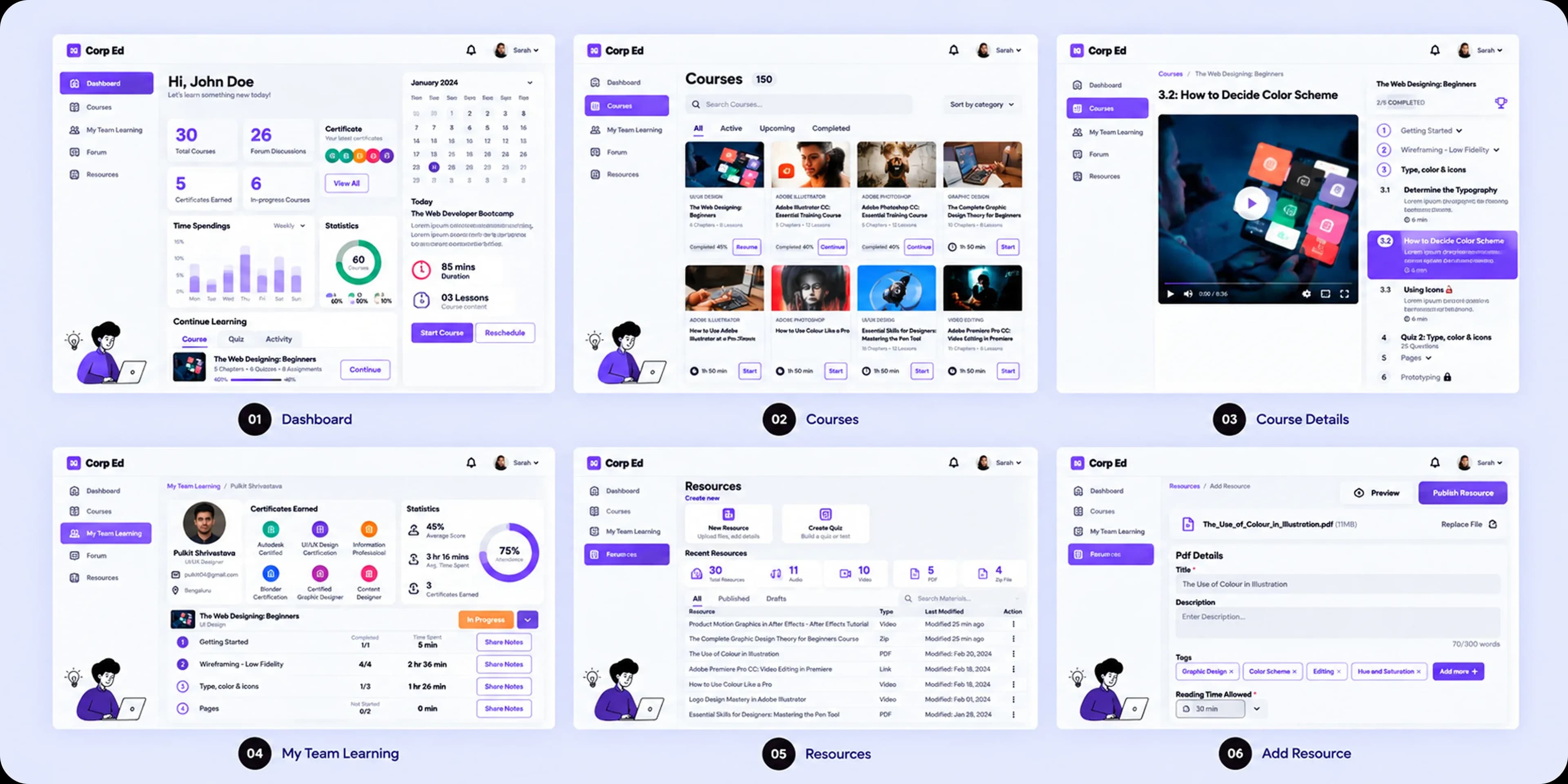
Dashboards, course discovery, resources, assessments and team views share one clear interaction system.
Potential business impact
More skilled teams. Faster learning. Better workforce performance.
A connected LMS brings employee learning into a structured digital workflow, helping organizations develop skills, track progress, close capability gaps, and align learning with business priorities.
Course Completion
Faster Skill Development
Higher Learning Engagement
Reduced Skill Gaps
Related Case Studies
Related Case Studies
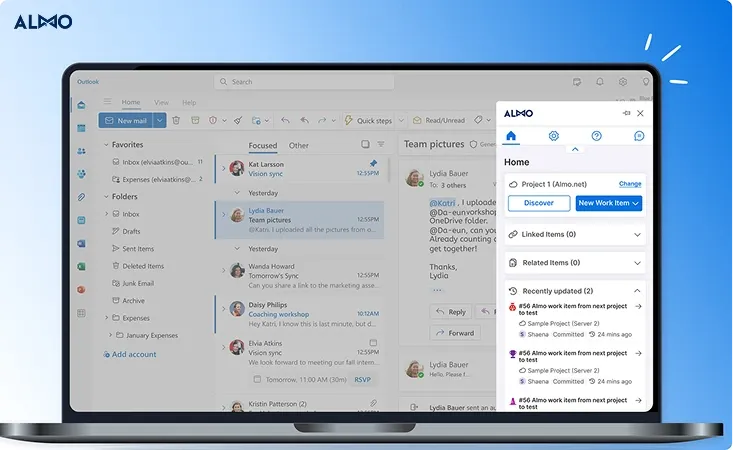
ALMO
Turn emails into actionable DevOps work items
CRMS
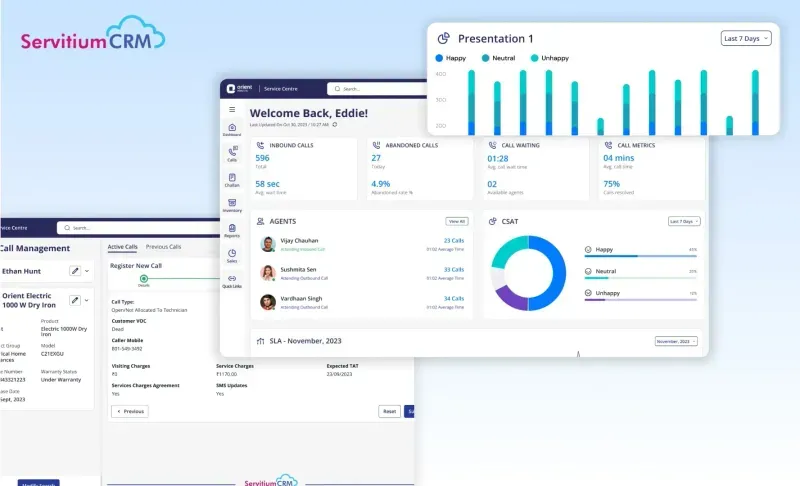
SaaS Application User Experience and Design for CRMS serving appliances industry