Table of Contents
Most companies ask for a redesign for the wrong reasons. A website begins to look old, a founder begins to feel ashamed of it and suddenly the universal message that is sent to every UI/UX agency is "make it look better and more up to date". This is the wrong brief, in most cases. Before availing website redesign services in India, the question that needs to be asked should be - are you losing leads, and where? This is a guide on what a website redesign actually is, when is it appropriate and when isn't it, and how you can do it and not lose the search rankings you've already built.

What are the services offered by website Redesign in India?
Website redesign experts India will undertake a reconstructure of your existing site structure, visual design and user experience, instead of a complete visual overhaul. If you're a growing organization, this usually translates to fixing a site that looks tired and old, loads at a snails pace on mobile, and doesn't convert visitors, while safeguarding the search ranks your previous site had established.
It's important, because the consumer-oriented redesigns cost a fortune with little actual benefit. Back in 2026, the average return-on-investment (ROI) for a visual-only refresh over twelve months was 9%.
In comparison, the average ROI over six months for a redesign motivated by user research and conversion strategy was 41%. The difference is simple: research-driven VS. mood-board driven. First question in fact. (source)
At Anarish, B2B UI/UX design agency, whatever you're doing the first question, always the first, not the last one. You don't need a redesign every time a competitor creates a glitzier site.
How often does your business need a redesign of the website?
You don't need a redesign every time a competitor creates a glitzier site. Yet, it's worthwhile once you start to see a number of these signs emerge. But bounce rate is up. Our visitors are making it to the page and heading straight back out again–usually within a matter of seconds.
Navigation is hard to find, the page takes forever to load or that key message has been buried under the weight of everything else. This site was never designed with mobile in mind.
Because most Indian web traffic now comes from mobiles, a desktop design that 'responds' to smaller screens is not quite the same thing as thinking about how people actually browse from their phones.
Thebrand has grown too large for the site. Where companies' of grown services or changed perspectives often have a sitemap designed for an earlier demission of the company. Conversion paths are not clear.
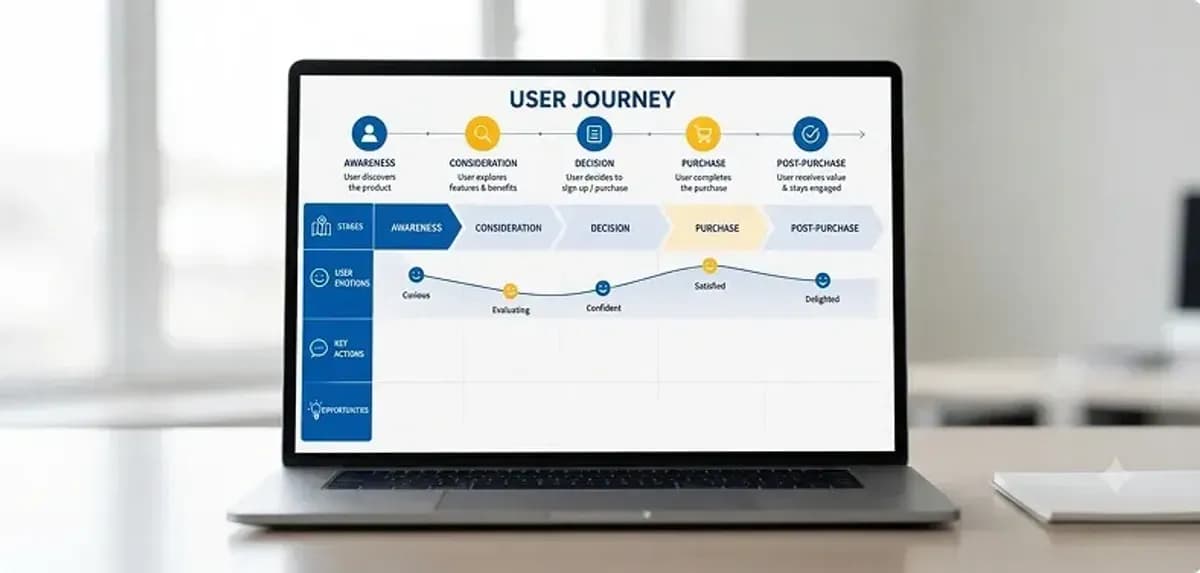
If a visitor cannot figure out the next step within a matter of seconds, then the architecture must be revisited, not just the colour scheme. The site has not been updated in about two to three years. Both the design conventions and end-user patients evolve over that period without a spectacular failure as well.

What would say is a typical website redesign process?
A well-planned redesign goes through three stages, each based on fact rather than hunch.
Audit and Discovery
Before commencing any design activity, check over the existing site analytics/navigation/usability issues; flag up pages/content that no longer add value to your site, /or have been moving away from your brand as we know it today.
Strategy and Competitor Analysis
Consider the decision made by each element of the site (type copy images, layout). Where is the user, what point are they at in their decision process, and what are the competitors doing already? This process establishes the goal for the site so that when revising it, they're doing so with a specific reason in mind rather than personal preference.
Wireframing and User Flow
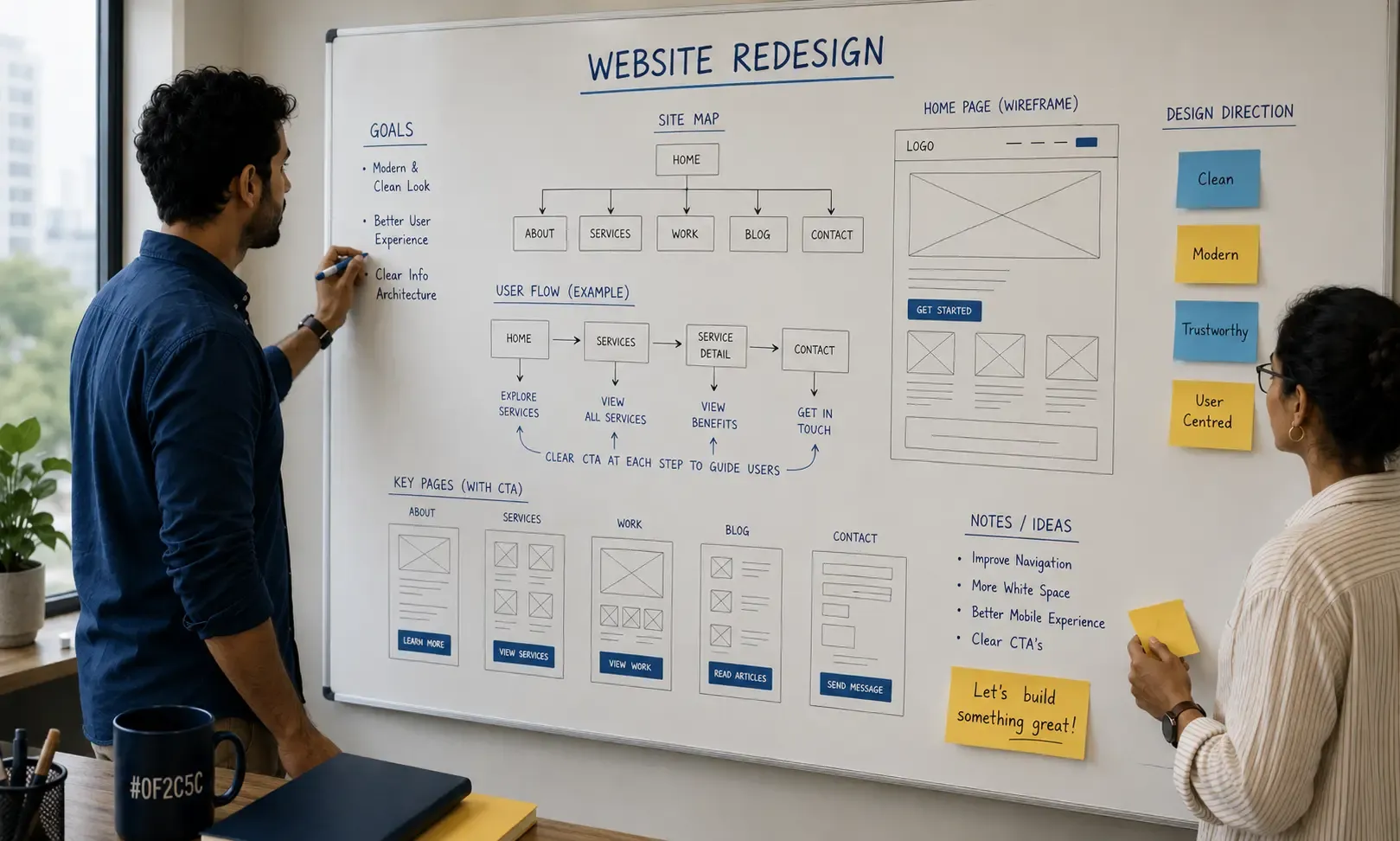
Redesigning the site structure based on what users are searching for is the smarter approach than beginning with a list of pages and working in reverse. Anarish brings a good explanation of how crucial wireframes are to any earnest redesign.
Visual Design and Development
Reusable components, joined up via a documented design system, will keep the new site consistent. What's more, future changes will be easier if the team decide on any in advance.
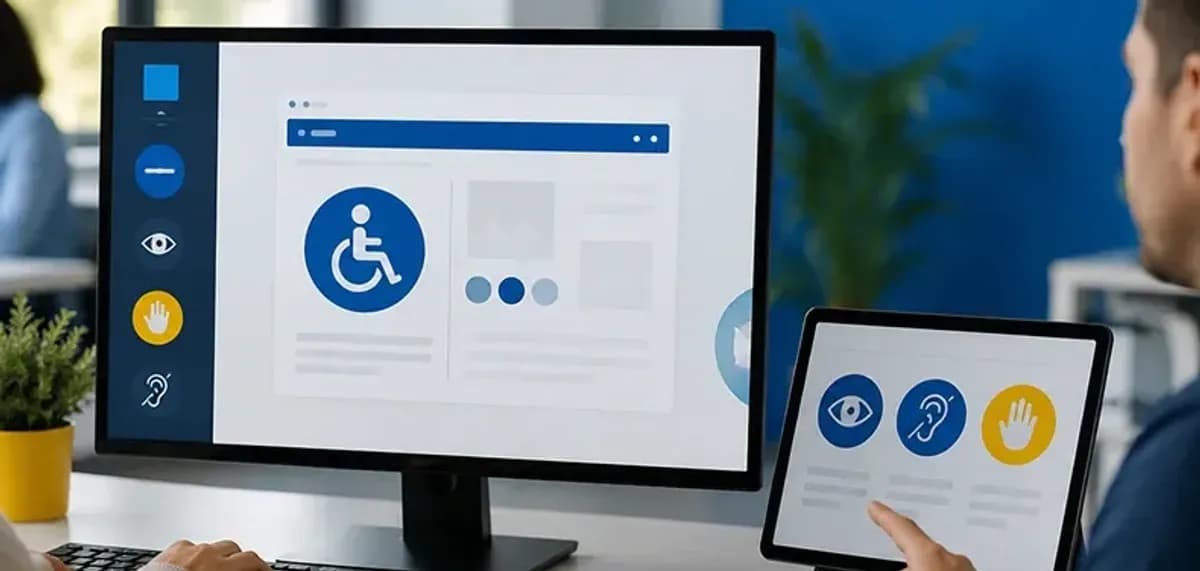
Consider accessibility here: WCAG 2.2 Level AA is the current threshold most organisations develop to, which dictates content presentation, navigation and comprehension for users of differing ability.
See how we approach UI/UX design →

Steps you can take to maintain your existing SEO rankings when undertaking a website redesign?
One of the more frequent pitfalls of a redesign is when it breaks URLs which the search engine has already indexed. Before making any structural changes, make a spreadsheet of all the existing URLs so there is a record of the links being rebuilt.
When URL change or page deprecation, the standard solution is to deploy a permanent 301 redirect to the best-fitting new page. Search engine Land states that the best way to handle those changes is by mapping out the revised URL, updating links from within your site and your website sitemap, and finally submitting the 301 through Google Search Console to keep the links tracked instead of relying on hope or luck.
In fact, it's worth allocating some time post-launch, not only pre-launch. Many redirects need to be in place well after go-live, and traffic to former URLs should be tracked for a while afterwards, as ranking changes during reindexing are to be expected and resolve once search engines have recrawled the new structure comprehensively.
A few practical habits reduce the risk further:
- Maintain a live URL mapping spreadsheet for the day of the audit through some time after launch, rather than recreating the wheel after the fact.
- Internal links - direct links, provided there is brand continuity. Update them immediately, rather than waiting until there is a redirect for every click.
- Resubmit updated XML sitemap via Search Console immediately when new website is live so that re-crawling can begin as early as possible.
- Try not to change a URL unnecessarily. If the page is already driving loads of traffic or the content isn't changing, don't mess with the URL even if everything around it's being redeveloped.
How AI Changing Website Redesigning in 2026?
AI has altered more what happens before a designer gets into a design tool than it has the tool itself. Sitemap drafts, content hierarchies, even initial layout suggestions can be created in minutes and it's this kind of early exploration that genuinely accelerates. The bottom line: your businesses are actually deriving value from this treat AI output as a for draft implementation improvement rather than an answer.
An AI-created sitemap still needs a hand to remove duplicate portions and validate whether the suggested architecture is in tune with how the intended users are searching and purchasing and so forth. The same holds true for AI-created images or copy text; such can be a helpful starting point at best but it still takes a design and strategic filter before it reaching a functional website.
For an UI/UX focused agency, this translates to the most useful application of AI would be to contract research and drafting time, allowing more hours to be spent on strategy, wireframing and usability work that really affects whether a redesign even converts.
Understanding the boundary between UI and UX helps here too, as AI systems are much better at creating design alternatives than addressing the core usability issues a redesign is supposed to address. We've detailed this boundary in our section on UI versus UX.
Five instances when you should not be working on remaking your site.
Not every underperforming website is right to rebuild completely. As long as the webpage is stable and has proper content, parts of it can be improved with conversion optimization, which often outperforms other redesign options.
Another example of when a complete overhaul wouldn't be appropriate is while the business is still defining its positioning. Designing a site around messaging which isn't yet solid just means that you're going to have to do it again when the strategy is in place. In that case, a brief UX audit would be the better initial step.
The team isn't able to sustain what gets built. A redesign that exceeds the technical comfort level of the in-house team merely introduces a new dependency on whoever built it. If every next update, a price change, a service page, a season banner needs a developer, then the redesign has addressed one issue and instigated another.
The site doesn't have enough traffic to learn from just yet. A re-design is most effective when there is plenty of current behaviour heatmaps session playback, and current conversions to design against.
A new site with very little traffic doesn't have that signal yet, and a re-design at that point is just a guess trying to look strategic. A big business change is in the pipeline. Whether it's a merger, a new product, a rebranding, or a move into a new market, they will all change the message and the audience of the site. Redesigning at the same time as one of these is launched makes for double work.
Final Thoughts
In India, a site redesign truly pays off only when it's a strategic project, not just a styling one. Focus on the audit, wireframes and SEO handover more than the colour schemes. If it's time for a rethink, do get in touch with Anarish to find out about a UX–led web redesign around how your real (not imaginary) customers choose.